market_watch
This Week on Zimbabwe's Markets: The ZSE Slipped, VFEX Sent Mixed Signals, and Dividends Kept Flowing
5 min read · jpmatenga@gmail.com
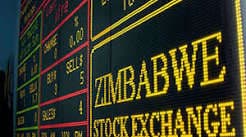
This Week on Zimbabwe's Markets: The ZSE Slipped, VFEX Sent Mixed Signals, and Dividends Kept Flowing
The exchange operator's own stock jumped double digits this week — while the broader ZSE index fell. That contrast is the most useful thing to understand about where Zimbabwean capital markets actually stand right now.
The numbers, plainly
For the week ending 4–7 September 2026 (compiled from IH Securities, Morgan & Co, and InvestIQ Oak Wealth research notes):
ZSE: The All-Share Index fell roughly 1.6%, with the Top 10 Index down about 2.1% — a broad-based decline led by large-cap counters. Market capitalisation slipped to around US$3.96–4.0 billion. Delta, one of the market's heaviest weights, dropped close to 11%. Seed Co Limited fell hardest among individual counters, down roughly 15–23% depending on the source. On the other side, Proplastics, ZSE Holdings, StarAfrica, Dairibord and NMBZ all posted double-digit gains for the week (sources cite slightly different percentages, ranging from roughly 14% to 28% depending on the exact pricing window used — treat the direction as reliable, the precise figure as approximate).
VFEX: A genuinely mixed picture. Market capitalisation declined about 2.5–2.7% to roughly US$8.0–8.1 billion, but the VFEX All-Share Index actually rose 2.22%. That's not a contradiction — it means share prices broadly moved up even as the market's total value fell, because the heaviest counters (Caledonia Mining, down roughly 20–24%; Old Mutual, down 3–8%) dragged the overall value down while other listings rose. Kavango Resources led gainers, up around 20–22%, followed by TSL, Padenga, Seed Co International and First Capital/Simbisa.
Currency and inflation: The interbank rate closed the week at ZWG26.559 to the US dollar, up 0.23% for the week and 2.23% year-to-date — broadly stable. The parallel rate has been sitting a few points above the interbank rate, in the region of ZWG30–31. Blended year-on-year inflation remains in the low single digits based on the trailing twelve-month trend.
Why it happened / the mechanism
The week's most useful story sits underneath the headline numbers: ZSE Holdings — the company that actually operates the exchange — posted a genuinely strong first half of 2026. Combined ZSE and VFEX market capitalisation more than doubled year-on-year to US$7.84 billion, value traded surged 172.8% to US$459.07 million, revenue rose 39.6%, EBITDA nearly tripled, and profit after tax jumped 275.8% to US$1.70 million. That's part of why ZSE Holdings' own stock was among the week's strongest gainers — the market rewarding the operator's results, even while the broader index it operates was falling.
Think of it like a shopping mall's landlord doing very well from rising foot traffic and new tenants, even in a week when several of the shops inside had a rough one. The mall (ZSE Holdings) and the shops (the broader listed counters) can move in different directions at the same time.
Why this matters
A few threads worth connecting: OK Zimbabwe has started a major restocking programme after securing bank guarantees, allowing it to resume deliveries from major suppliers like Dairibord, National Foods and Nestlé and reopen branches closed during its cash-flow crisis — an early-stage but genuine turnaround story. ZB Financial Holdings is actively pursuing regional expansion to diversify away from domestic-only exposure. And Edgars Stores' shareholders approved terminating its VFEX listing entirely, with a minority buyout offer at US$0.0248 per share — continuing the delisting pattern covered in earlier Discover pieces, though in this case via a formal shareholder-approved exit offer rather than a rescue situation.
What does this mean for the common person
If you or your pension holds ZSE or VFEX-linked investments — this was a genuinely mixed week, not a one-directional story. Broad market indices softened, but that masks real variation: some individual companies (ZSE Holdings, Proplastics, Kavango) had strong weeks while others (Seed Co, Caledonia, Delta) declined meaningfully.
If you're watching dividend income — this was an active week for payouts, with multiple companies (Tigere REIT, Seed Co, First Capital, Dairibord, Revitus REIT, CBZ, TN CyberTech, Pfuma REIT, FBC, RTG, NMBZ, ZSE Holdings) declaring or paying dividends. Regular dividend flow is one of the more tangible, direct ways local market performance reaches ordinary investors, separate from share-price swings.
If you shop at OK Zimbabwe or similar retailers — the restocking effort, if it holds, should mean better product availability and fewer empty shelves in the near term, though the source material is clear this recovery is still early-stage.
For everyone — the currency side of this week's story was quiet and stable, which is itself a positive: no sharp interbank moves, inflation remaining low by recent Zimbabwean standards.
Keep the scale in mind
Individual-counter percentage moves varied meaningfully between the three source reports this week — a reminder that weekly equity swings in a relatively thin, low-liquidity market like the ZSE and VFEX can be volatile and shouldn't be over-read as a trend from a single week alone. Delta's roughly 11% decline and Seed Co's much larger drop are worth watching for follow-through next week rather than treating as settled verdicts. On VFEX, the gap between a rising index and a falling market cap is a genuine signal of concentration risk — a small number of heavyweight counters (Caledonia, Old Mutual) can swing the total market value even when sentiment across the broader market is improving. And the OK Zimbabwe and ZB Financial stories, while positive, are both explicitly framed by the companies themselves as early-stage or forward-looking, not completed turnarounds.
Closing takeaway
This was a week where the index-level headlines (ZSE down, VFEX mixed) tell only part of the story. Underneath, the exchange operator itself posted standout growth, dividends kept flowing to investors, and at least one distressed retailer took real steps toward recovery — evidence that Zimbabwean capital markets remain active and functioning, even in a week where the broad numbers pointed lower.