basics
Gold is quietly doing the heavy lifting for the ZiG
4 min read · Ndarama Editorial (AI-assisted)
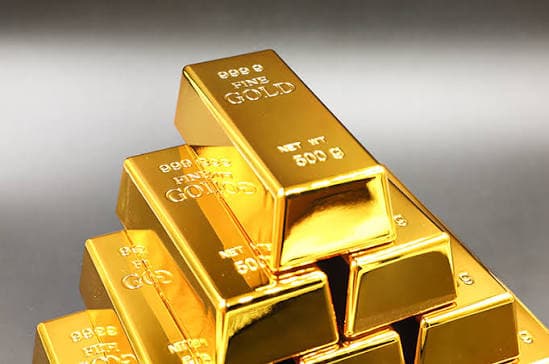
Zimbabwe's Gold Reserves Nearly Tripled in Two Years — That's Part of Why the ZiG Isn't Swinging Like Old Currencies Used To
The ZiG's relative calm isn't an accident or pure policy discipline. Part of it is sitting in a vault, and the vault has been filling up fast.
The numbers, plainly
Zimbabwe's official gold reserves surged about 198.7% over two years to around 4.48 tonnes, according to figures disclosed during President Mnangagwa's inspection of the Reserve Bank of Zimbabwe's vaults. The RBZ says total reserves backing the ZiG now exceed US$1.4 billion, up from about US$276 million when the currency launched in April 2024 — gold makes up a large share of that growth. Zimbabwe's gold holdings now rank roughly 11th in Africa and 3rd in the SADC region.
Alongside that: annual ZiG inflation was 4.8% in April 2026, down from a peak of roughly 90–95.8% in 2025, though it had ticked up slightly from 4.4% in March. The ZiG is trading around 25–26 to the US dollar, and the parallel-market premium has narrowed to below 20%.
Why it happened / the mechanism
The ZiG was launched in April 2024 as a currency structured to be backed by physical gold and foreign-currency reserves, following a policy decision to accumulate mineral royalties in physical form rather than just cash. The reserve build-up isn't just bookkeeping — it's meant to give the currency something tangible standing behind it.
Think of reserves the way you'd think of a household emergency fund. A few months of savings means a surprise bill doesn't force you to sell your belongings at a bad price. Similarly, a central bank with meaningful reserves can step in during sharp currency moves, which reduces the panic that often pushes people to dump a local currency the moment it wobbles. Economists cited in local reporting — including Malone Gwadu and Farai Mabika — link the reserve build-up directly to reduced exchange-rate volatility and rebuilding confidence in the ZiG.
Why this matters
For anyone holding ZiG-denominated savings or income, a more stable currency with lower inflation means purchasing power erodes more slowly. Rising gold prices globally can also strengthen the reserves and royalty inflows behind the currency, reinforcing the collateral story — though that connection cuts both ways, which matters for the caveats below.
What does this mean for the common person
If you hold ZiG savings or get paid in ZiG — the currency has genuinely become more stable and predictable than in recent memory, which is a real, tangible improvement for anyone budgeting month to month in local currency.
If you still price things or hold savings in US dollars — that instinct isn't unreasonable yet. Over 90% of Zimbabwe's transactions still happen in US dollars, so the ZiG's improvement, while real, hasn't reached the point of being the currency most people actually reach for day to day.
For everyone — this is a "watch the trend, don't bet the house" moment. The direction is genuinely positive, but it's still early in the story.
Keep the scale in mind
A few things worth holding onto before getting too comfortable with this story. Reserve cover is still thin — Zimbabwe's reserves currently cover about 1.5 to 1.6 months of imports, well below the 3-to-6-month cushion many central banks target, meaning the currency remains exposed to external shocks. Most of the underlying data comes from official RBZ and presidential disclosures rather than fully independent verification — BDO has been cited as an auditor, but the reported tonnage itself has varied between sources (4.4 versus 4.48 tonnes), so treat the precise figure as approximate rather than exact.
The stability story also isn't fully organic: the IMF and the Confederation of Zimbabwe Industries have both cautioned that the exchange rate is heavily managed, and some economists have described the current calm as artificially engineered rather than market-driven. And the whole structure leans heavily on a single commodity — a correction in global gold prices would weaken both reserve valuation and royalty inflows, and could test the stability story quickly.
Closing takeaway
Gold reserves are doing real work behind Zimbabwe's improving currency stability, and that's a genuine, measurable trend, not spin. But it's an improving case, not a settled one — reserve cover is thin, the data is mostly self-reported, and the story rests heavily on one commodity's price holding up. Treat ZiG stability as promising rather than guaranteed, and remember most of the economy is still running on US dollars.