market_watch
ZSE leads Africa with 71% YTD gains as SECZIM pushes investor education
5 min read · Ndarama Editorial (AI-assisted)
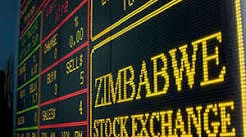
The ZSE's "71% Return" Is Actually Two Different Numbers — Here's Why That Matters
Zimbabwe's stock exchange overtook Nigeria as Africa's best performer this year. But whether that means 71% or 68.5% depends entirely on which currency you're counting in — and that distinction changes what the number actually tells you.
The numbers, plainly
SECZim CEO Tichaona Mushambadope told a Parliamentary Portfolio Committee in Mazowe that the ZSE had posted year-to-date returns above 71%, according to ZBC News, making it Africa's best-performing equity market this year and overtaking Nigeria.
There are two different figures behind that headline. In US dollar terms, African Markets data showed the ZSE returned 68.5% year-to-date as of 31 July 2026, the highest among the 17 African exchanges it tracks. In local Zimbabwe Gold (ZiG) terms, the ZSE All Share Index gained roughly 72.3% to 73.0% through July, with another tracker putting the local-currency gain at 71.81% by the end of August.
Why it happened / the mechanism
A stock market return is always measured in a currency, and if that currency changes value, the same underlying investment can look different depending on which one you're counting in. A 71% local-currency return does not automatically mean 71% more purchasing power.
Think of it like a salary. If your pay rises 20% in a year but prices also rise 15% over the same period, you're better off, but not by the full 20% — some of that increase was just keeping pace with a changing baseline, not real gain. Stock returns measured in a currency that's itself losing value work the same way: part of a local-currency gain can reflect currency movement rather than businesses actually being worth more.
Why this matters
This is exactly why SECZim has been pushing investor education — constituency and community programmes, schools outreach, and an Investment 101 toolkit. Parliament has publicly commended the ZSE's top-spot performance, with a legislator specifically citing the 68.5% US-dollar figure and calling for wider participation and support for the ZEEX SME exchange. The fact that regulators are leading with the dollar figure, and pairing the celebration with education, is itself a signal that they want people to understand what the number means before acting on it.
What does this mean for the common person
If you're new to investing, the basics are worth getting right before the headline number:
A share is a small ownership stake in a company. A stock exchange is the marketplace where shares are bought and sold. When people say "the market is up 71%," they usually mean an index — a basket of shares standing in for the broader market.
Ask which currency the number is in. If you earn and spend in ZiG, the local-currency return is the one closest to your daily experience. If you save or think in US dollars, the dollar return is the more relevant number.
An index can rise for different reasons. Some reflect real improvement in company profits or investor confidence. Some reflect inflation pushing local-currency prices up even when the underlying businesses haven't grown much in real terms. The honest question to ask about any "up X%" headline is: compared with what, and in which currency?
Markets can be shallow. A handful of large companies can drive most of an index's movement, so the headline figure may not reflect what happened to every individual share. Thin trading can also make it hard to buy or sell larger amounts without moving the price.
Keep the scale in mind
Past returns are not future returns. A strong run can reverse, and analysts have cautioned that Zimbabwe's market rally depends on sustained monetary and fiscal discipline continuing — inflation staying low, the exchange rate holding steady, and government finances remaining manageable. None of those are guaranteed to persist just because this year's numbers were strong.
Closing takeaway
The ZSE's performance this year is genuinely strong by either measure, dollar or local currency, and worth taking seriously. But "up 71%" and "up 68.5%" are both true at once, measuring different things, and the gap between them is a useful reminder that a headline return only tells the full story once you know the currency it's counted in. Start with that question before acting on any market headline, not just this one.
This article is for information only and is not investment advice.